
Stretching — Your Daily Reset
Stretching is a gentle, grounding way to awaken your body and release built‑up tension. It loosens tight muscles, frees your joints, and builds the kind of flexibility that makes movement feel easy again. With daily practice, you can reduce everyday aches and pains and feel lighter in your body. Pair your stretches with calm breathing, simple movement like walking or light cardio, towel‑assisted or resistance‑band stretches, and good hydration for the best results.
Stretching is a gentle, grounding way to awaken your body and release built‑up tension. It loosens tight muscles, frees your joints, and builds the kind of flexibility that makes movement feel easy again. With daily practice, you can reduce everyday aches and pains and feel lighter in your body. Pair your stretches with calm breathing, simple movement like walking or light cardio, towel‑assisted or resistance‑band stretches, and good hydration for the best results.
Why Stretching Matters?
Our bodies are meant to move, not hold on to tension. Stretching keeps your muscles long, supple, and responsive so you don’t feel stiff halfway through the day. It supports balance and posture, helping you sit, stand, and lift with greater ease and confidence. With regular practice, many everyday aches begin to fade as your joints and soft tissues gain the space they need to move comfortably. Think of stretching as simple daily care for a body that deserves to feel well.
“Change happens through movement and movement heals.”
Our Approach: Gentle, Consistent, Safe
Stretching works best when it’s simple and steady. We begin with breath to help the body shift from tight to open. Then we move through easy ranges, hold mild stretches, and come out with control. Every sequence offers options using a chair, wall, or floor. We meet your body exactly where it is and build ease one session at a time.
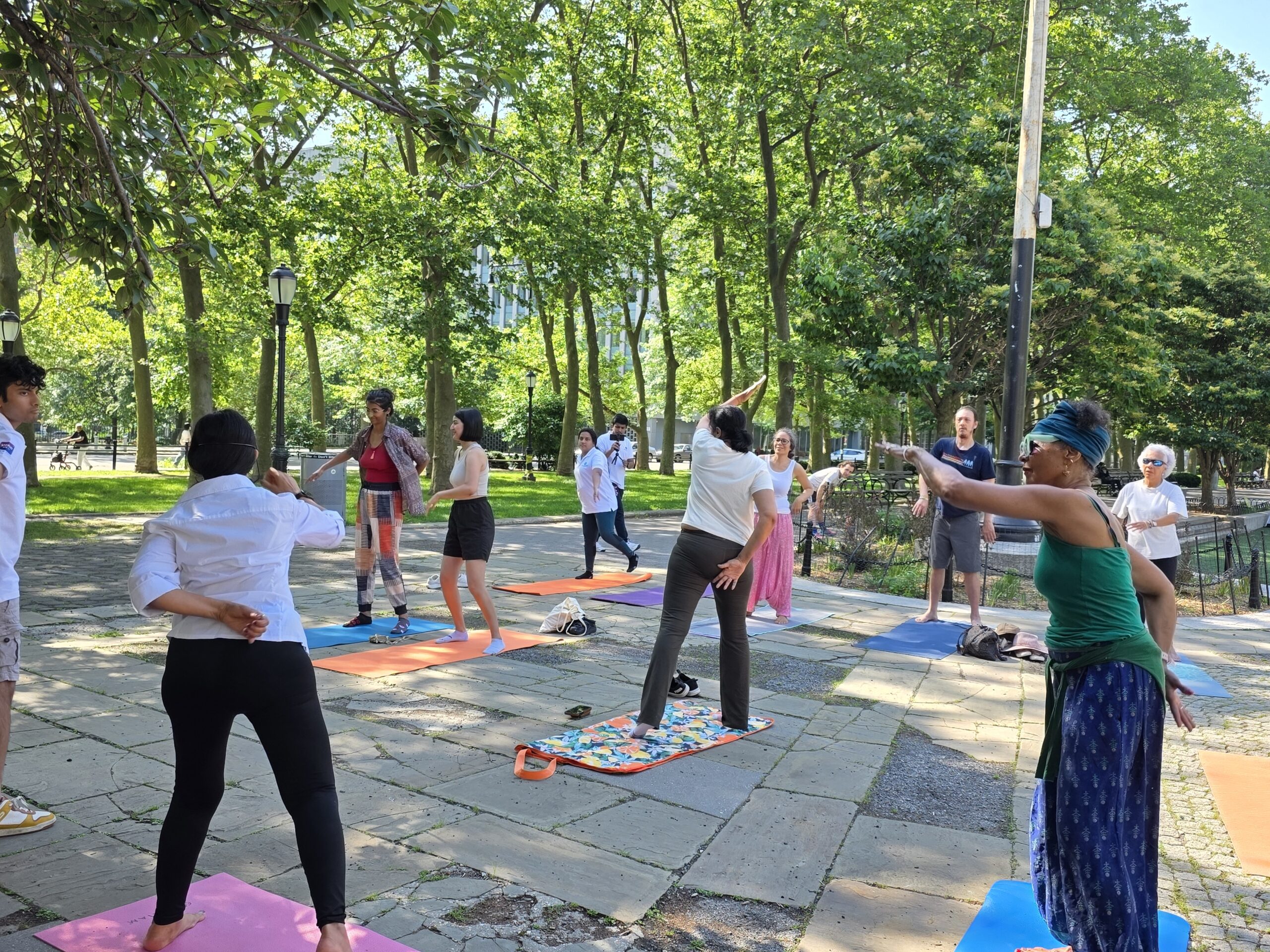
Types of StretchingYou’ll Experience
We mix simple methods, so your body opens up without strain. You’ll choose what fits your day (standing, sitting, or on the floor) and we’ll guide you to the right depth. Every option is gentle, clear, and easy to follow.

Gentle Holds
Slow 10–30 second holds to release tight spots and build steady flexibility.

Dynamic Mobility
Controlled, easy movements to warm joints and wake up muscles.
Chair-Assisted
Seated stretches with support for safer range and less pressure on knees and back.
Wall-Supported
Use a wall for balance and alignment so you can lengthen without wobble.
band or Towel Assist
Reach comfortably and protect shoulders and hamstrings from over-stretching.
Floor Sequences
Lying or seated sets that relax hips, lower back, and legs at a calm pace.
Standing Balance + Stretch
Improve stability while lengthening calves, quads, and hips.
Move + Stretch Flow
Short, breath-led mini flows that pair well with a 5-minute walk.
We’ll help you explore what resonates most and make meditation a natural rhythm in your day.
Tips to Keep it Safe
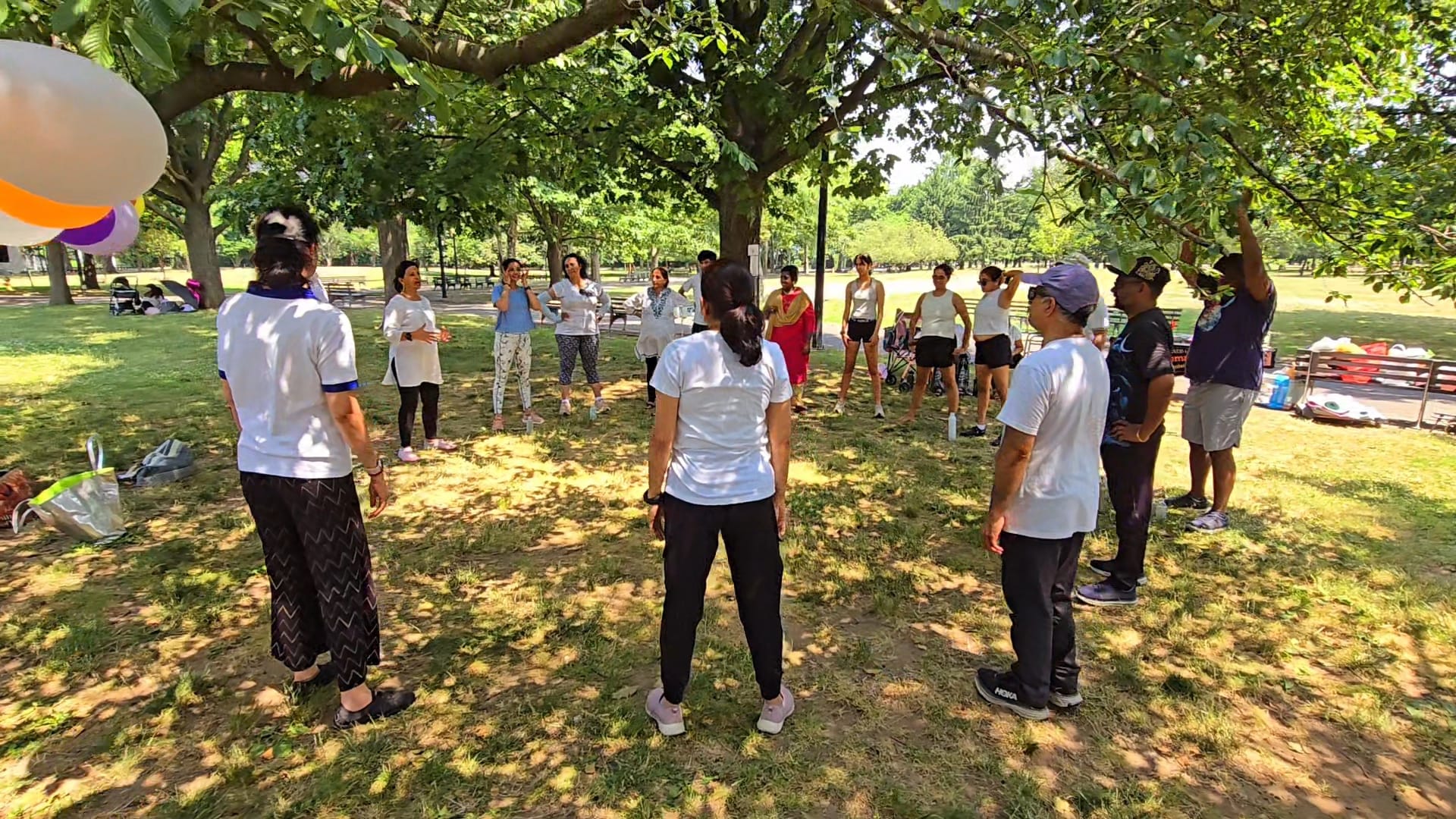
Stories of Ease
“In the space you make, your body moves free.” — Unknown
Join a Stretching Circle with AromanandaFrequently Asked Questions
Can stretching be done standing?
Yes, many stretches can be done safely while standing.
Can stretching be done sitting down?
Yes, stretching can be done while sitting on the floor or sitting in a chair.
Can a wall be used for stretching?
Yes, wall assistance can provide support and help with balance.
Can tools be used during stretching?
Yes, a resistance band or a towel can be used to support stretching.
Who can do stretching?
Stretching can be adapted for beginners, older adults, and many different ability levels.
How should stretching feel?
Stretching should feel gentle and comfortable, not painful.
How long should a stretch be held?
A stretch is often held for a short time while breathing slowly and naturally.
When can stretching be done?
Stretching can be done as part of a daily routine, before or after light movement, or anytime the body needs gentle care.