
Meditation – The Art of Coming Home
Meditation is the practice of meeting yourself with awareness, without judgment and without noise. It is the pause between thoughts, the space between breaths, where inner calm begins to bloom.
Through meditation, we learn to be with life as it is—observing the mind, softening reactivity, and discovering clarity in stillness. With greater calm, compassion, and perspective, meditation helps us remain present in a chaotic world rather than escape from it.
Meditation is the practice of meeting yourself without judgment, without noise. It’s the pause between thoughts, the space between breaths, where awareness gently blooms.
Through meditation, you learn to sit with life as it is, observing the mind, softening reactivity, and discovering clarity within quiet. With greater calm, compassion, and perspective, meditation gives us the power to become present in this chaotic world rather than escaping from it.
Why Meditation Matters?
Meditation is medicine for the modern mind.
It helps reduce stress, anxiety, and emotional overload by calming the nervous system and lowering cortisol levels.
It sharpens focus, enhances memory, and supports emotional balance through mindfulness.
Regular meditation can improve sleep, resilience, and even physical health by regulating heart rate and blood pressure.
Over time, meditation becomes a way of seeing, being, and responding to life.
Our Approach: Presence Over Perfection
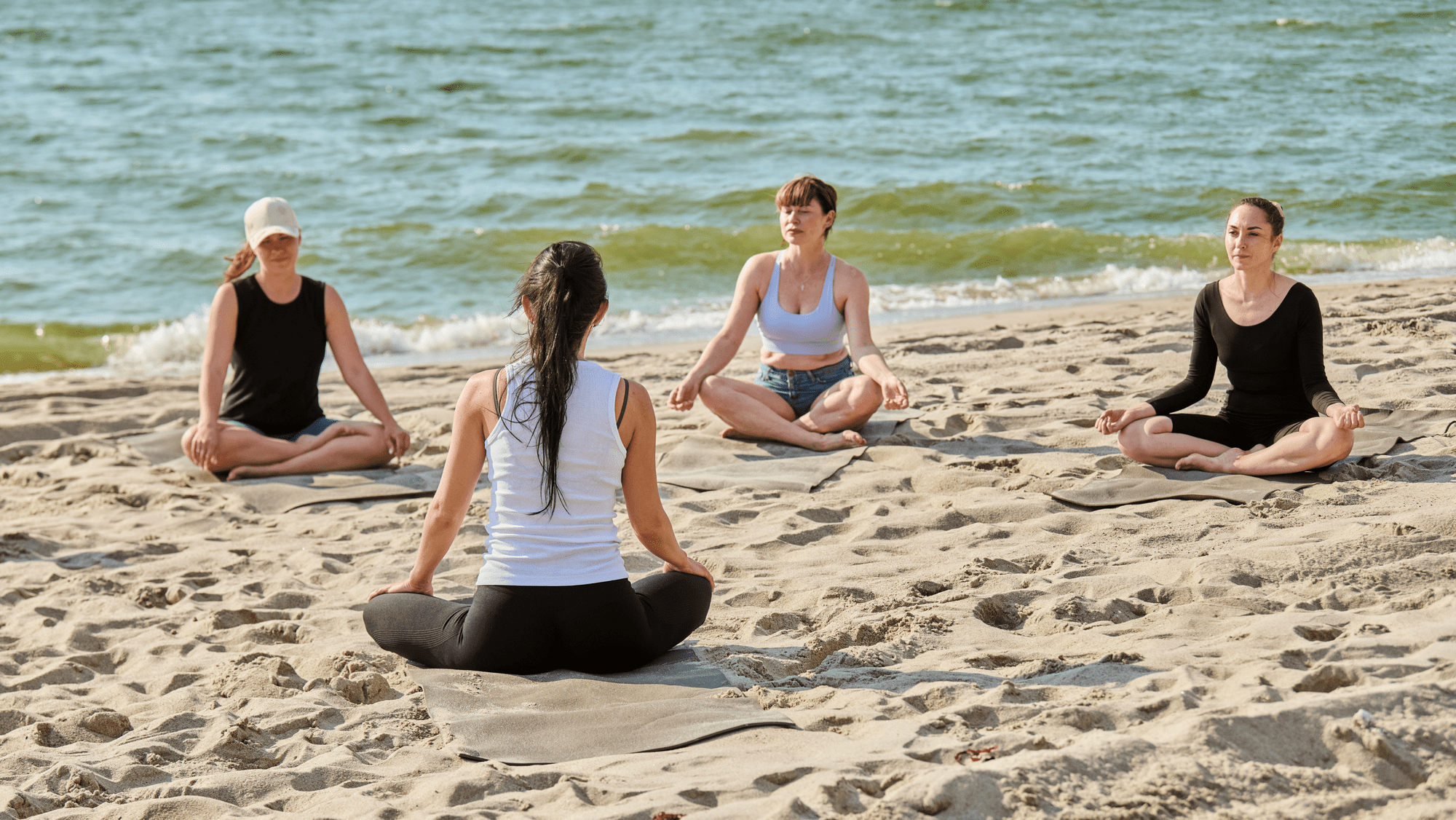
Types of MeditationYou’ll Experience
Here are some styles and techniques you’ll experience across your meditation journey:

Mindfulness Meditation
A practice of paying gentle attention to the present moment, including your breath, body, thoughts, and feelings without judgment.

Loving-Kindness Meditation (Metta)
A heart-centered practice that nurtures compassion, kindness, and goodwill toward yourself and others.
Guided Visualization
A meditation that uses calming imagery and gentle guidance to help the mind relax, focus, and restore inner balance.
Walking & Movement Meditation
A practice that brings awareness to the body through slow walking or mindful movement connected with breath.
Sound & Chant Meditation
A meditative practice that uses sound, repetition, or chanting to quiet the mind and create a sense of peace and resonance within.
We’ll help you explore what resonates most and make meditation a natural rhythm in your day.
Try It Now - Mini Meditation Invitation
Read this and perform your mini meditation practice:
That’s meditation in its simplest form. Awareness meeting stillness.
Experience BlissRead this and perform your mini meditation practice:
Notice how your breath, body, and mind talk in that sequence. You just tasted a micro yoga flow.
Experience BlissTips to Deepen Your Meditation Practice
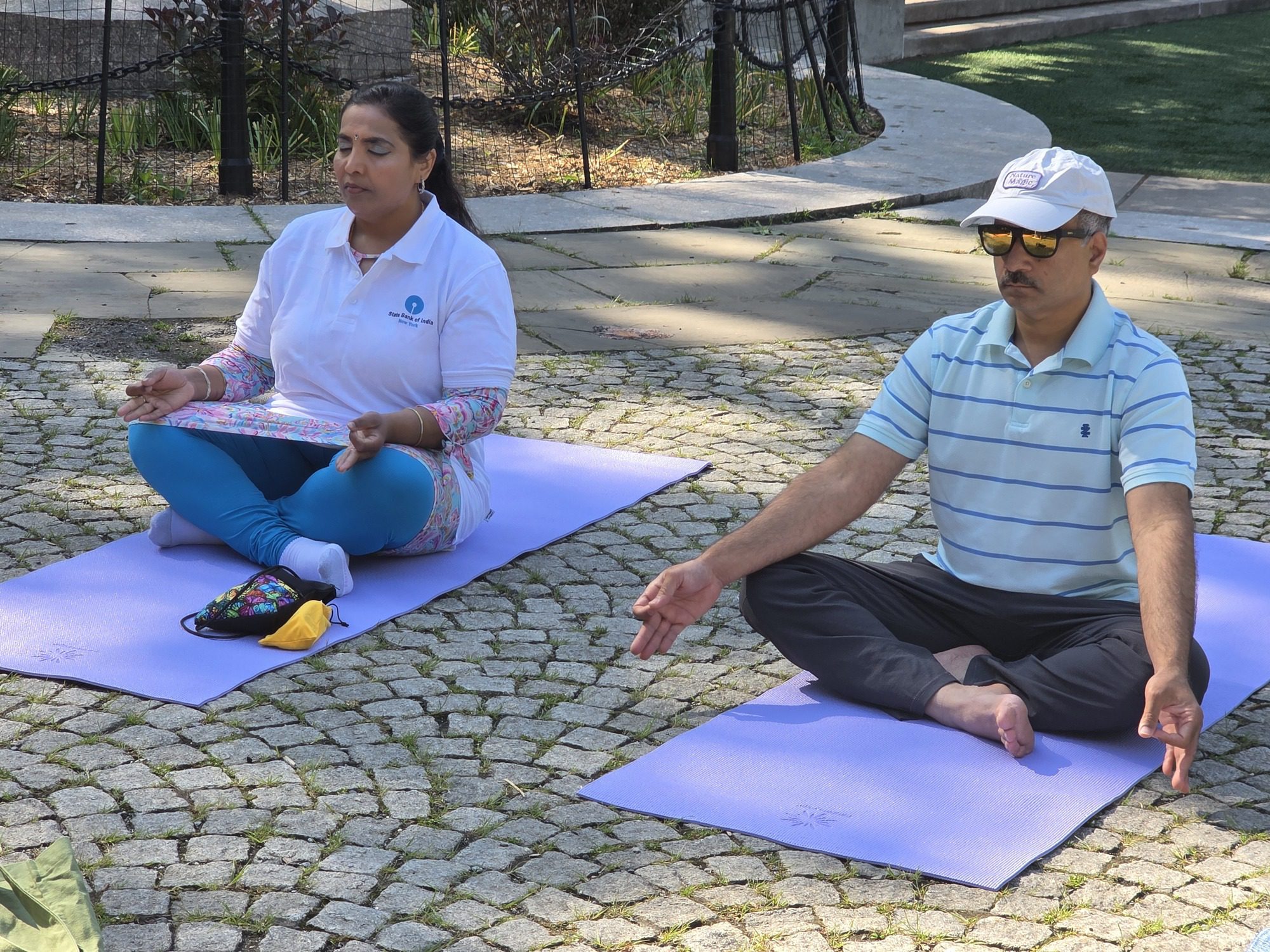
Stories in Stillness
“In the silence of the mind lies the voice of the soul.” — Unknown
Join our MeditationFrequently Asked Questions
Do I need to sit in a special posture to meditate?
No, you don’t. The goal is comfort, not stiffness. You can meditate sitting cross-legged, on a chair, or even lying down if that’s easier. What matters most is keeping the spine naturally straight so breath can flow freely. Props like cushions or back support can help maintain ease and alertness throughout your session.
How long should I meditate each day?
Start small. Even 5–10 minutes daily can reduce stress and boost focus. Consistency is more important than duration. As your comfort grows, you can gradually extend sessions to 20–30 minutes. Research shows that just 10 minutes a day for eight weeks can significantly improve attention and emotional well-being.
Can meditation help with anxiety and depression?
Yes. Meditation has proven benefits for mental health. Mindfulness-based practices teach you to observe thoughts and emotions rather than getting caught in them. This reduces rumination and stress reactivity. Clinical studies, including those from Harvard and Oxford, show measurable decreases in anxiety and depressive symptoms among regular meditators.
What are the different types of meditation?
There are many styles — mindfulness meditation (awareness of the present moment), loving-kindness (cultivating compassion), transcendental (repetition of a mantra), guided imagery, and body-scan meditation. Each has a unique focus, but all aim to quiet the mind and expand awareness. You can explore various techniques and choose what resonates most.
Can I meditate if I find it hard to focus?
Absolutely. Difficulty focusing is part of the process. Every time your mind wanders and you bring it back, you’re training awareness, just like building a muscle. Over time, distractions lessen and clarity increases. Tools like guided meditations or ambient music can make early practice easier.
Is there a best time of day to meditate?
Morning meditation sets a calm tone for the day, while evening meditation helps release stress before sleep. The ideal time is the one you can maintain consistently. Many practitioners follow the rhythm of sunrise or sunset when the environment is quiet and energy feels balanced.
How is meditation different from relaxation?
Relaxation soothes the body temporarily. Meditation transforms the mind over time. While both reduce stress, meditation builds awareness and emotional intelligence. It teaches you to respond, not react, creating lasting calm even in challenging moments. Think of it as relaxation with awareness.
What makes Aromananda’s meditation approach unique?
Aromananda’s meditation blends ancient wisdom with modern mindfulness. Each session integrates breath, sensory awareness, and reflective silence. The goal is not escape but connection with self, body, and the present moment. Our facilitators guide you gently into stillness, helping you rediscover peace that feels natural and deeply human.